Column · @jaidentfod036
Why a Southern Restaurant Is Perfect for Comfort Food Lovers
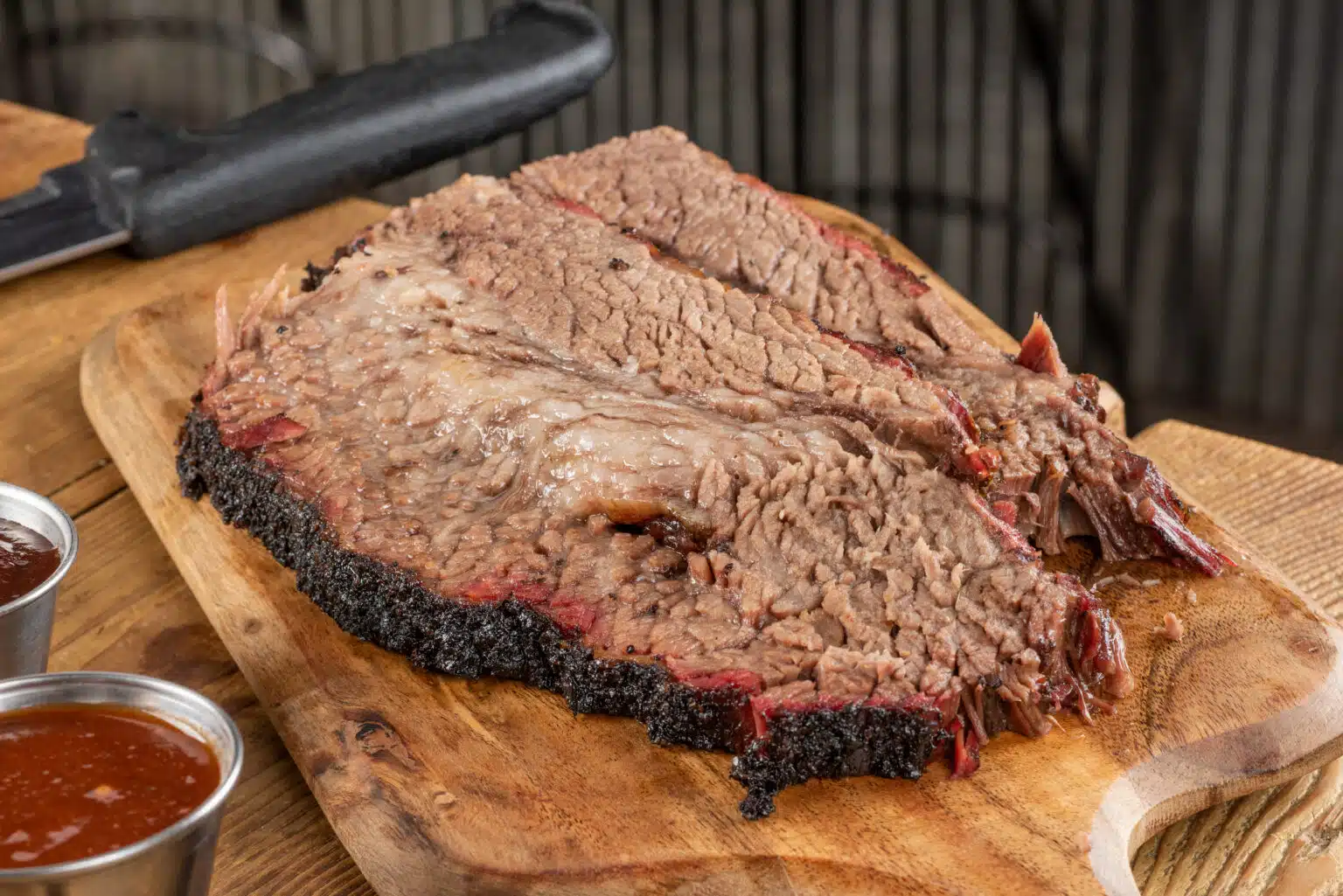

There are restaurants you visit for novelty, restaurants you book for a business lunch, and restaurants you remember because the food seemed to settle you from the inside out. A Southern restaurant belongs firmly in that last group. It is not simply a place to eat, it is a place to exhale. The appeal goes beyond fried chicken and biscuits, though both matter. What draws comfort food lovers back, again and again, is the way Southern cooking turns ordinary ingredients into something generous, deeply flavored, and emotionally satisfying.
Comfort food often gets reduced to a cliché, as if it is just a category for heavy meals and nostalgic cravings. In practice, it is more nuanced than that. The best comfort food delivers reassurance without feeling careless. It tastes familiar, but not dull. It can be rich, certainly, yet the strongest versions rely on balance, technique, and patience. Southern cuisine does this Southern restaurant exceptionally well. At its best, it combines slow cooking, seasoning discipline, textural contrast, and a deep respect for hospitality. That combination is hard to beat.
What comfort food lovers are really looking for
People talk about comfort food as if everyone means the same thing, but most diners are chasing a few specific qualities. They want flavor that feels complete. They want warmth, both literal and emotional. They want portions that feel fair, not fussy. They want food that tastes as if somebody in the kitchen cared enough to cook it properly, rather than rushing it to the pass.
A Southern restaurant tends to meet those expectations naturally because the cuisine was shaped around real hunger, long workdays, family tables, and the need to make modest ingredients satisfying. That history matters. Dishes such as braised greens, cornbread, smothered pork chops, chicken and dumplings, shrimp and grits, and baked macaroni and cheese were not invented to impress critics. Southern restaurant They were built to nourish people and make them feel looked after.
That sense of being looked after is central. Good comfort food is not only about calories or richness. It is about reassurance. When a plate arrives hot, aromatic, and abundant, it sends a message before you take the first bite. You know what kind of meal this will be. You know whether the restaurant understands its job. Southern dining, when done well, gets that right from the start.
The depth behind familiar flavors
One reason a Southern restaurant satisfies comfort food lovers so reliably is that the food often carries more complexity than outsiders expect. Many classic dishes sound straightforward on paper. Biscuits are just biscuits, until you split one open and see distinct layers, a tender crumb, and a faint tang from buttermilk. Fried chicken is just fried chicken, until the crust shatters cleanly and the seasoning reaches beneath the breading into the meat itself.
Those results come from craft. Cooks pay attention to fat temperature, resting time, salt levels, and the difference between a sauce that coats and a sauce that merely sits on top. Gravy, for instance, seems simple. In reality, a great pan gravy depends on drippings with character, a proper roux, enough black pepper to wake up the palate, and enough restraint to avoid pastiness. The same is true of pimento cheese, collard greens, or banana pudding. None are complicated in a showy way, yet each can go badly wrong if the kitchen cuts corners.
That craft is part of the comfort. Diners feel it, even if they cannot always name it. They know when the mashed potatoes are freshly made rather than scooped from a steam tray. They know when the green beans have actually been cooked with stock, onion, and a little pork for depth, versus being rushed with salt and butter at the last minute. Comfort food lovers may not ask for technical breakdowns, but they absolutely respond to technical quality.
Southern cooking understands texture
A lot of cuisines rely on flavor first and texture second. Southern cuisine gives both equal attention, which is one reason it is so satisfying. Think about a classic plate of fried chicken with mashed potatoes, gravy, biscuits, and greens. The crisp crust, soft potatoes, silky gravy, flaky biscuit, and tender greens create a sequence that keeps the meal interesting all the way through. Every bite offers contrast.
That textural intelligence shows up across the menu. Shrimp and grits works because the shrimp snap lightly, the grits stay creamy without turning gluey, and the sauce ties everything together. A well-made cobbler succeeds because the fruit stays lush while the topping holds structure. Even something as humble as a deviled egg can be memorable when the filling is smooth, the seasoning is sharp enough, and the top carries a dusting of paprika or chopped pickles for lift.
Comfort food needs this variation more than people realize. Rich dishes become tiring when every component feels soft, heavy, or one-note. Southern restaurants often avoid that trap instinctively. The food may be hearty, but it should never be monotonous.
Generosity matters, and Southern restaurants understand that
A comfort meal that leaves you feeling rationed has missed the point. This does not mean every plate should be oversized or wasteful. It means the portion should feel hospitable. Southern restaurant culture generally understands this distinction. There is an old-fashioned pleasure in a full plate, in side dishes served with intent, in a dessert portion that looks like somebody wanted you to enjoy yourself.
Generosity also shows up in the little details. A biscuit basket that arrives warm instead of lukewarm. Extra napkins without asking. Sweet tea refilled before the glass is empty. Hot sauce on the table because the staff knows some diners will want it. These are small touches, but comfort dining is built from small touches.
The service style often reinforces the food. The strongest Southern restaurants create an atmosphere that feels attentive without hovering. You are not being rushed through courses. Nobody is explaining the concept of macaroni and cheese as if it were avant-garde. The room usually invites people to settle in, order a little more than they planned, and stay for dessert. For comfort food lovers, that ease is part of the appeal.
The emotional pull of tradition
Southern food has a powerful relationship with memory. Even for diners who did not grow up in the South, the food often feels linked to family gatherings, church suppers, holiday meals, or weekend dinners where no one was counting minutes. That emotional connection gives Southern cuisine unusual staying power.
Some of this comes from recognizable dishes. Chicken pot pie exists in many regions, but Southern versions often lean into rich gravy, tender meat, and a deeply savory filling that feels unmistakably homey. Peach cobbler may remind one diner of a grandparent, another of a roadside café, and another of a summer vacation. A plate of biscuits and gravy can trigger a kind of culinary déjà vu even if the specific memory is hard to place.
The emotional pull is not an accident. Traditional Southern food was shaped by repetition, by recipes made often enough to become family language. When a Southern restaurant honors those traditions, it offers more than a meal. It offers continuity. That is especially attractive in periods when many diners feel overstimulated by trends and undernourished by convenience.
Why slow cooking makes a difference
One of the defining strengths of Southern cuisine is its comfort with time. Many hallmark dishes improve because they cannot be rushed. Braised meats need patience. Greens need time to soften and absorb flavor. Beans need time to become creamy without falling apart. Puddings, pies, and cakes often taste better after they settle.
This relationship with time creates a very specific kind of satisfaction. The flavor becomes rounder and more integrated. Harsh edges disappear. Seasoning penetrates rather than merely coating the surface. A pot roast cooked for three hours offers a different experience from a steak cooked in ten minutes. Both can be delicious, but only one gives that particular sense of warmth and surrender that comfort food lovers seek.
A Southern restaurant that respects these methods often stands out immediately. The aromas alone tell the story. You smell onions mellowed in butter, stock reducing slowly, smoked meat lending depth to vegetables, and desserts cooling somewhere in the back. It is the opposite of hurried cooking, and the difference ends up on the plate.
Regional variety keeps the experience interesting
One mistake people make is treating Southern food as one fixed cuisine. It is not. The South contains many local traditions, ingredient patterns, and cooking styles. Lowcountry cooking in South Carolina and Georgia does not look identical to the food traditions of Tennessee, Texas, Louisiana, or Mississippi. That variety gives comfort food lovers room to keep exploring while staying within a familiar emotional register.
In one Southern restaurant, comfort might mean shrimp and grits with a tomato-based gravy, crab rice, and benne wafers. In another, it might mean meatloaf, turnip greens, black-eyed peas, and chess pie. Elsewhere, the menu may lean toward Cajun and Creole influence, with gumbo, étouffée, red beans and rice, and bread pudding. The unifying thread is not one exact flavor profile. It is the promise of warmth, fullness, and deeply rooted cooking.
This range matters because comfort food lovers are not necessarily looking for the same meal every time. They want reliability, but not boredom. Southern cuisine offers enough breadth to satisfy both impulses.
Great Southern food balances indulgence with restraint
There is a lazy stereotype that Southern cooking is simply heavy. Bad Southern cooking can be, just as bad cooking in any tradition can be greasy, oversalted, or excessive. Good Southern cooking knows when to pull back. Acidity matters. Pickles matter. Pepper vinegar matters. Bitter greens matter. Fresh herbs, citrus, and sharp relishes matter. These elements keep rich dishes from becoming dull.
A strong Southern restaurant knows how to use these contrasts. Fried catfish becomes more compelling with a squeeze of lemon and a bright slaw. Braised pork feels less heavy beside vinegar-dressed greens. Sweet desserts land better after a meal that included enough acid and spice to keep the palate alert. This balance is one of the clearest signs that the kitchen knows what it is doing.
For comfort food lovers, this restraint is good news. It means a satisfying meal does not have to end in regret. You can leave feeling full, happy, and well fed rather than flattened. That difference often determines whether a restaurant becomes a habit or a one-time indulgence.
The best side dishes are not afterthoughts
In many restaurants, side dishes exist to fill the plate. In a Southern restaurant, sides often carry as much identity as the entrées. In some cases, they are the reason regulars return. A diner may swear by the fried chicken, but just as often they are coming back for the mac and cheese, the candied yams, the field peas, or the cornbread dressing.
This matters because comfort food is cumulative. It is rarely one perfect centerpiece doing all the work. More often, the pleasure comes from combination. A forkful of roast chicken with a bite of buttery lima beans. A spoonful of potlikker-soaked greens alongside cornbread. A little gravy dragged through mashed potatoes, then chased with a pickle. These combinations create a meal that feels abundant in the truest sense.
A strong Southern restaurant usually treats side dishes with enough seriousness that you could build an entire meal from them. That is not a small achievement. It means the kitchen understands the structure of comfort itself.
What to look for when choosing a Southern restaurant
Not every restaurant using the Southern label delivers the same experience. Some lean on décor and nostalgia while the food remains generic. Others have a narrow menu with one or two excellent dishes and several forgettable ones. If comfort food is the goal, a few signs usually separate the places worth returning to from the places that rely on reputation alone.
- The menu includes classic dishes, but the kitchen executes them with care rather than gimmicks.
- Biscuits, cornbread, or similar staples taste fresh and purposeful, not like filler.
- Side dishes show as much attention as entrées.
- Seasoning is assertive but balanced, with acid, spice, and richness working together.
- The dining room feels welcoming enough that lingering over dessert seems natural.
None of these points requires white tablecloths or trend-driven plating. Some of the most satisfying Southern meals happen in humble dining rooms with paper napkins and a short dessert case by the register. What matters is whether the restaurant understands the emotional contract of comfort food. The diner is asking for pleasure, reassurance, and competence. The kitchen needs to answer all three.
Dessert seals the deal
If Southern food understands comfort across the meal, dessert is where it often becomes unforgettable. Banana pudding, pecan pie, peach cobbler, bread pudding, red velvet cake, hummingbird cake, and chess pie each offer a different version of sweetness, but they share a common trait. They feel final in the best way. They end the meal with softness, richness, and just enough indulgence to make the whole experience linger in memory.
Here again, technique matters. Banana pudding should not be watery. Cobbler fruit should keep shape and flavor. Pecan pie needs balance so the filling does not become cloying. Bread pudding should stay custardy, not rubbery. When these details are right, dessert does more than cap the meal. It confirms that the kitchen understands comfort from beginning to end.
Many experienced diners judge a Southern restaurant by dessert almost as much as by the mains. That is not unfair. A place that can bake well usually demonstrates discipline, timing, and consistency across the board.
Why the atmosphere matters almost as much as the menu
Comfort food is shaped by context. The room, the pace, the sound level, and the service all influence how the meal lands. Southern restaurants often excel here because hospitality is woven into the dining tradition. The best places do not feel theatrical or forced. They feel practiced. Staff greet you with ease. Recommendations sound honest. The rhythm of the meal leaves room to enjoy it.
This atmosphere helps explain why a Southern restaurant works for so many occasions. It suits solo diners who want a restorative meal after a long day. It suits families who need food broad enough to satisfy different ages and preferences. It suits friends who plan to split appetizers, order too many sides, and talk for two hours. Comfort food thrives in spaces that invite people to stay present, and Southern dining tends to create exactly that environment.
A cuisine built for repeat visits
Trend-focused restaurants can be exciting, but many are designed for novelty rather than regular use. You go once, admire the idea, and move on. A Southern restaurant often has the opposite strength. It becomes part of your rotation. You return for a specific dish, then discover a new favorite side, then start ordering dessert every time. The food supports habit because it satisfies at a deeper level than novelty alone.
That repeat appeal is the strongest argument for Southern comfort food. People do not build traditions around food that merely photographs well. They build traditions around food that tastes good in all the ways that count, on busy weekdays and special Sundays alike. Southern cuisine has endured because it understands what diners need from a meal when they are tired, celebrating, grieving, hosting, or simply hungry.
For comfort food lovers, that reliability is hard to overstate. A good Southern restaurant offers more than a menu full of familiar dishes. It offers warmth without stiffness, abundance without carelessness, and flavor shaped by time, judgment, and care. When those elements come together, the meal does something rare. It comforts without feeling simplistic. It satisfies without apology. And it gives people a reason to come back hungry.
Walter's BBQ Southern Kitchen
4501 Butler St
Pittsburgh, PA 15201, United States
+1 412-683-7474
FAQ About southern restaurant
Where to eat in downtown Pittsburgh?
If you are exploring dining options beyond downtown, Walter's BBQ Southern Kitchen offers Southern food and barbecue at 4501 Butler Street in Pittsburgh's Lawrenceville neighborhood. It is outside downtown, so allow travel time when planning your visit.
What is a must eat in Pittsburgh?
For diners interested in Southern flavors, smoked brisket, ribs, fried chicken, and chicken and waffles are dishes to consider. Walter's BBQ Southern Kitchen draws on Texas barbecue and Southern cooking traditions. Check the current menu for the dishes available during your visit.
What are some of Pittsburgh's unique restaurants?
Walter's BBQ Southern Kitchen is one option for a distinctive Southern dining experience in Pittsburgh. Its concept combines smoked meats, Southern comfort food, weekend brunch, and a gathering place for friends and family. The restaurant is located on Butler Street in Lawrenceville.